Cultural Heritage & Eco-Tourism
Honoring 11 Indigenous Tribes, Sustainable Eco-Tourism, and Cultural Preservation
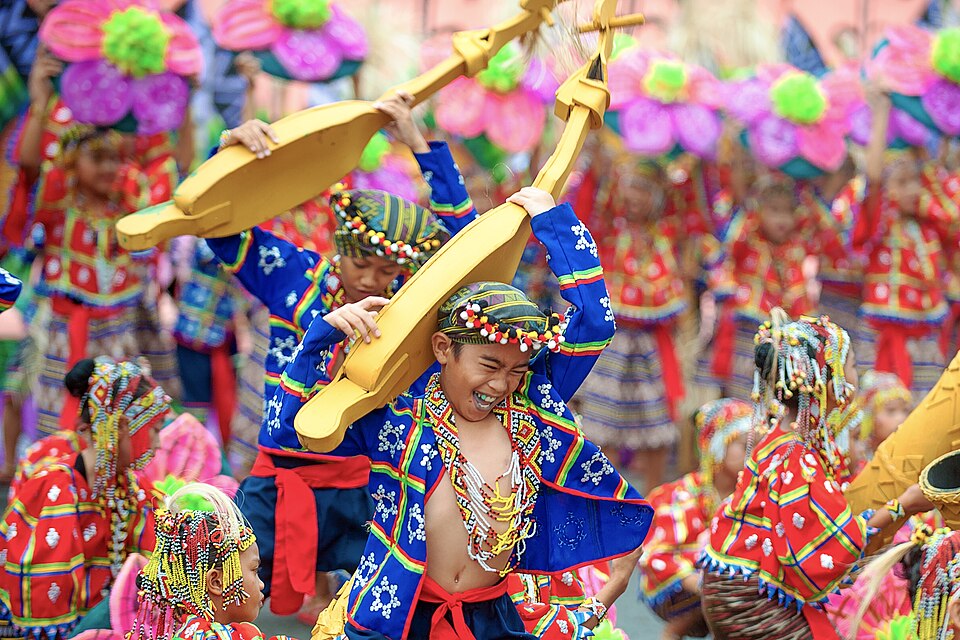
Celebrating indigenous tribal heritage through festivals like Kadayawan while promoting responsible eco-tourism across the Davao Gulf.
Civic Significance for Davao City
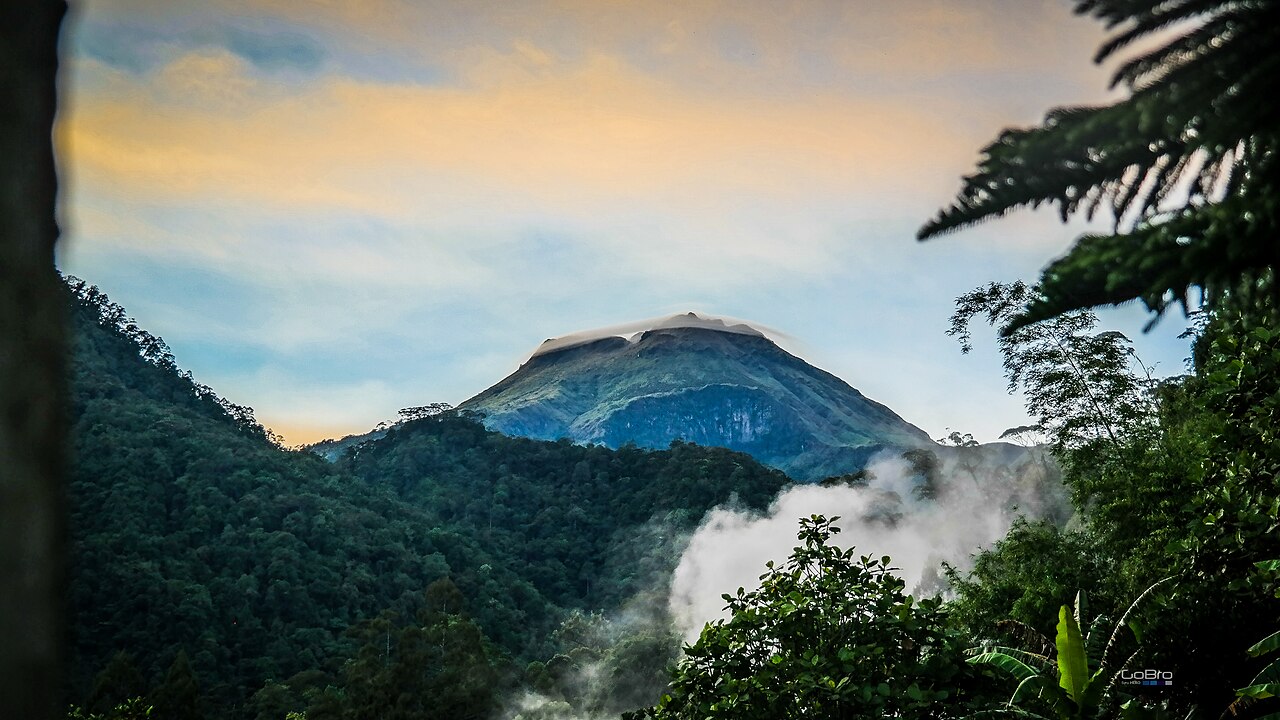
Davao City's tourism is grounded in authenticity, nature, and cultural respect. Rather than artificial attractions, Davao celebrates the living traditions of its 11 recognized Lumad and Moro ethnolinguistic tribes, promotes community-based eco-tourism in mountain sanctuaries, protects marine biodiversity in the Davao Gulf, and hosts the world-famous Kadayawan Festival every August as a secular thanksgiving for nature's bounty.
Key Municipal Initiatives & Programs

Kadayawan Festival (The King of Festivals)
An annual month-long civic celebration featuring traditional tribal street dancing (Indak-Indak), floral float parades, indigenous music, and agricultural thanksgiving feasts.

Permanent Kadayawan Tribal Village in Magsaysay Park
A living cultural sanctuary where authentic Lumad and Moro traditional houses are maintained year-round by tribal artisans offering cultural workshops and culinary tastings.

Responsible Eco-Tourism & Marine Sanctuaries
Regulated eco-tours at the Philippine Eagle Center in Malagos, Eden Nature Park, and marine conservation zones in the Davao Gulf.
Responsible City Departments & Lead Agencies
Civic Indicators & Budget Context
5 Lumad and 6 Moro tribes actively recognized and supported by municipal cultural policy.
The peak cultural and tourism period celebrating Davao's bountiful harvests.
Public parks and the Kadayawan Village remain open to the public year-round.
How Dabawenyos Can Monitor & Access This Pillar
Visitors and residents can tour the Kadayawan Cultural Village in Magsaysay Park or visit Museo Dabawenyo on University Avenue to learn about Davao's pre-colonial and indigenous history.